
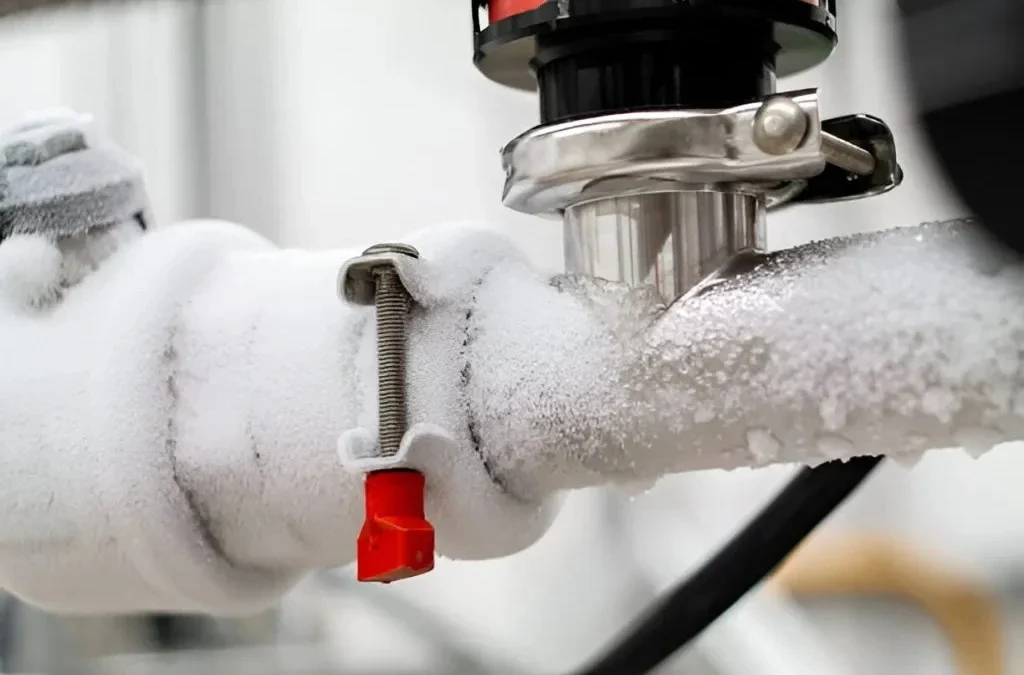
To prevent frozen pipes, especially in Minneapolis, MN, homeowners must prepare their plumbing before winter starts by insulating exposed pipes, sealing cold air leaks, maintaining steady indoor heat, and taking quick action during extreme cold. These steps reduce the risk of pipe freezing, bursting, and water damage during harsh winter months. This guide shares Winter Plumbing Tips homeowners can trust to keep their homes safe all season.
Why Pipes Freeze in Minneapolis, MN?
Winters are long, cold, and unforgiving. In Minneapolis, temperatures often fall well below freezing for days or even weeks. When water inside pipes drops below 32°F, it turns into ice. Ice expands, putting pressure on the pipe walls. If the pressure becomes too much, the pipe cracks or bursts.
Older homes in Minneapolis are especially at risk because:
- Pipes may be located in unheated spaces
- Insulation may be outdated or damaged
- Small air leaks allow freezing air inside
Even newer homes can face problems during sudden temperature drops or power outages.
How Frozen Pipes Damage Your Home?
Frozen pipes are not just an inconvenience. They can cause serious damage and costly repairs.
Common Problems Caused by Frozen Pipes
- Burst pipes releasing gallons of water
- Flooded basements, kitchens, and bathrooms
- Mold growth from moisture
- Structural damage to walls and floors
Many homeowners only discover the problem after the pipe thaws and water starts flowing everywhere. At that point, plumbing repair becomes urgent and expensive.
Early Signs Your Pipes May Freeze
Catching the problem early can save you from major damage.
Watch for These Warning Signs
- No water or very low water flow
- Frost on exposed pipes
- Strange smells from drains
- Unusual sounds like banging or cracking
These signs often appear during extreme cold nights. If you notice any of them, act immediately.
Most Common Areas Where Pipes Freeze
Some parts of the home are more vulnerable than others.
High-Risk Areas
- Basements and crawl spaces
- Attics
- Garages
- Exterior walls
- Under kitchen and bathroom sinks
Homes with residential plumbing running through unheated areas need extra protection during winter.
Step-by-Step Winter Plumbing Preparation
Preparing your plumbing before winter is the best defense.
1. Insulate Exposed Pipes
Use foam pipe insulation on pipes in cold areas. This is affordable and easy to install.
2. Seal Air Leaks
Cold air entering your home increases freezing risk. Seal cracks around:
- Windows
- Doors
- Pipe entry points
3. Keep Indoor Heat Consistent
Never turn your heat off completely, even if you are away. Keep the thermostat set to at least 55°F.
4. Disconnect Outdoor Hoses
Remove garden hoses and shut off outdoor water lines. Drain them completely.
5. Shut Off and Drain Unused Lines
If you have plumbing lines that are not used during winter, drain them before freezing temperatures arrive.
These Winter Plumbing Tips residents rely on to reduce winter emergencies significantly.
Daily Habits That Help Prevent Frozen Pipes
Small daily actions can make a big difference during extreme colds.
Simple Habits to Follow
- Let faucets drip slightly during freezing nights
- Open cabinet doors to allow warm air to reach pipes
- Keep garage doors closed
- Use space heaters safely in very cold areas
These habits support proper plumbing maintenance throughout winter.
What to Do If a Pipe Freezes?
If you suspect a frozen pipe, act carefully.
Safe Steps to Take
- Turn off the main water supply
- Open the affected faucet
- Use a hair dryer or heating pad to thaw slowly
- Never use open flames
If you cannot locate the frozen area or the pipe has burst, the situation becomes a plumbing emergency.
When to Call a Professional?
Some problems are beyond DIY solutions.
Call for Help If:
- Pipes are already burst
- You cannot find the frozen section
- Multiple pipes are affected
- Water damage has started
Professional plumbing services in Minneapolis, MN can safely fix the issue and prevent repeat problems. In urgent cases, emergency plumbing support may be required, especially during overnight freezes. Some situations require an emergency plumbing service or even 24 hour plumbing availability to protect your home.
A proper plumbing inspection before winter can also identify risks early.
Winter Plumbing Checklist
| Task | Why It Matters |
| Insulate exposed pipes | Prevents freezing |
| Seal air leaks | Keeps cold air out |
| Maintain indoor heat | Protects water lines |
| Disconnect outdoor hoses | Stops line freezing |
| Drip faucets in extreme cold | Relieves pressure |
| Open cabinet doors | Allows warm airflow |
| Know main shut-off valve | Reduces damage |
Following this checklist supports long-term plumbing and repairs planning and reduces the need for frequent plumbing repairs.
Conclusion
Preventing frozen pipes in Minneapolis, MN requires preparation, awareness, and consistent care. By insulating pipes, sealing cold air leaks, maintaining heat, and following daily winter habits, homeowners can avoid costly damage. These Winter Plumbing Tips homeowners depend on are simple, effective, and proven to protect homes during harsh winters.
If you want peace of mind this winter, don’t wait until pipes freeze. Contact us today and protect your home before temperatures drop further. Winter problems are easier to prevent than repair, act now and stay safe all season.
FAQs
1. At what temperature do pipes freeze?
Pipes can freeze when temperatures drop below 20°F, especially if they are exposed or poorly insulated.
2. Should I drip faucets all winter?
Drip faucets only during extremely cold nights. This helps prevent pressure buildup inside pipes.
3. Can frozen pipes thaw on their own?
Yes, but thawing without supervision can cause sudden leaks or bursts.
4. Is insulation enough to stop freezing?
Insulation helps, but it must be combined with sealing air leaks and maintaining indoor heat.
5. How can I prevent frozen pipes when traveling?
Keep heat on, ask someone to check your home, and shut off water if possible.