
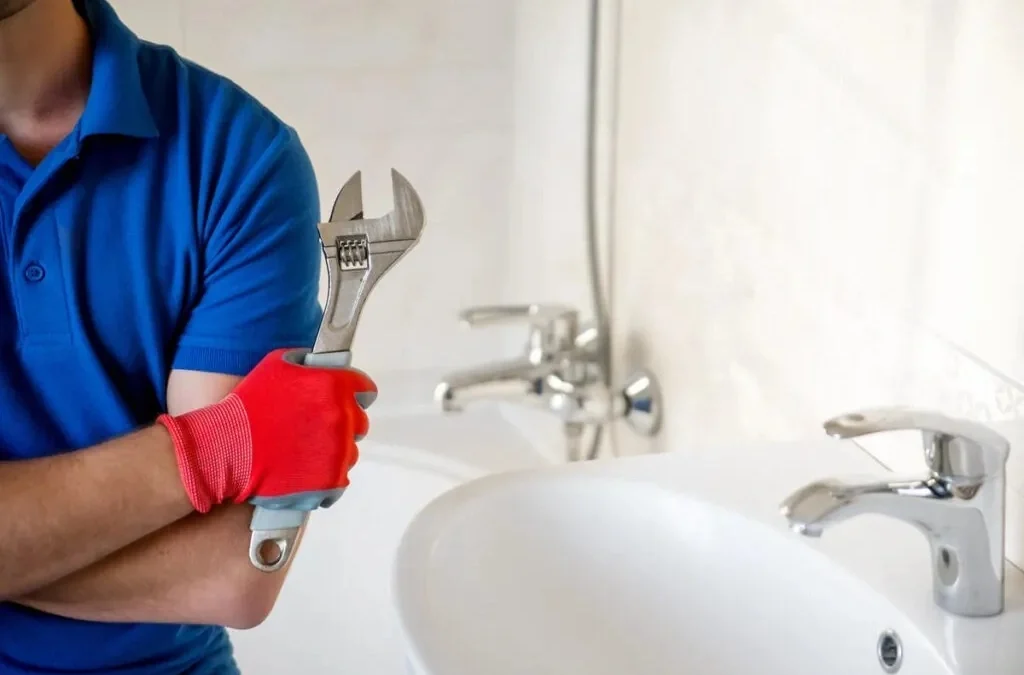
Plumbing is one of those parts of your home that you only notice when something goes wrong. But ignoring small plumbing problems can lead to bigger, costlier issues over time. The 5 Signs Your Home Needs a Plumbing Upgrade include leaks, low water pressure, outdated pipes, frequent clogs, and water discoloration. Recognizing these signs early can save homeowners in Minneapolis, MN from expensive repairs and ensure their home stays safe and comfortable.
Understanding Plumbing Upgrades
It is the process of replacing or improving your home’s plumbing system. This can include new pipes, updated fixtures, better water pressure solutions, or even complete system overhauls. In older homes, plumbing systems can be outdated, leading to leaks, corrosion, and other problems. Upgrading your plumbing ensures water flows properly, appliances are protected, and your home is safe from water damage.
Why Are Plumbing Upgrades Important?
Homes in Minneapolis, MN can experience cold winters, which put extra stress on old pipes. Freezing and thawing cycles can cause pipes to crack, joints to loosen, and water damage to occur. Regular upgrades protect your home, improve water quality, reduce repair costs, and prevent major emergencies.
Even minor plumbing issues, when left unchecked, can lead to mold, mildew, structural damage, and higher water bills. A timely upgrade not only fixes current problems but also prevents future issues.
Top 5 Signs Your Home Needs a Plumbing
Recognizing the signs early can save you both time and money. Here are the 5 main signs homeowners in Minneapolis, MN should watch for:
1. Leaks and Dripping Faucets
A constant drip from a faucet, a running toilet, or small leaks under sinks may seem minor but can waste hundreds of gallons of water each year. Leaks often indicate worn-out pipes, faulty valves, or old plumbing fixtures. Ignoring them can lead to water damage, mold growth, and even structural issues.
Replacing old pipes and fixing leaks is one of the first steps in proper plumbing.
2. Low Water Pressure
If showers, faucets, or garden hoses seem weaker than usual, low water pressure could be a sign of blocked pipes, corrosion, or mineral buildup. Homes with old plumbing are more prone to this problem.
A professional plumbing assessment can identify the cause and provide solutions like pipe replacement or pressure regulators.
3. Old or Corroded Pipes
Pipes made from galvanized steel or other outdated materials may corrode over time. Rust inside pipes can cause leaks, water discoloration, and reduce the overall flow.
Modern plumbing materials like PEX or copper are safer, more reliable, and last longer. Replacing old pipes is a common step during a plumbing upgrade and ensures your system is ready for years to come.
4. Frequent Clogs and Slow Drains
Slow drains in sinks, tubs, or showers are more than a minor inconvenience. They often signal blockages, damaged pipes, or outdated plumbing layouts. Frequent clogs can lead to overflows and water damage.
It can fix these issues by cleaning, replacing, or rerouting pipes to improve flow and prevent backups.
5. Discolored or Bad-Smelling Water
Brown, yellow, or cloudy water, or water with a strange odor, is a clear warning. It can indicate rust, corrosion, or bacterial growth in your pipes. Drinking or using water in this condition can pose health risks.
Upgrading your plumbing ensures clean, safe, and clear water throughout your home.
How Does It Improve Daily Life?
It provides many benefits beyond just fixing current issues:
- Reliable water flow: Showers, faucets, and appliances work efficiently.
- Better water quality: Clear, odor-free water for drinking and cooking.
- Reduced stress: Less worry about leaks or damage.
- Energy and cost savings: Modern fixtures use less water and energy.
- Protection for your home: Reduces the risk of water damage and mold.
Cost Factors for Plumbing Upgrades
| Factor | Description |
| Age of Pipes | Older homes with outdated pipes may need full replacement. |
| Number of Fixtures | More sinks, tubs, and toilets increase cost. |
| Extent of Damage | Leaks, corrosion, or mold issues can add to labor costs. |
| Material Choice | Copper, PEX, or PVC pipes differ in price. |
| Labor | Professional installation ensures safety but can affect total cost. |
Investing in a proper upgrade may seem expensive initially, but it often saves money by preventing major repairs later.
DIY vs Professional Plumbing
While some homeowners attempt DIY fixes, professional installation is safer and more reliable. Common DIY mistakes include:
- Incorrect pipe fitting
- Improper drainage slope
- Poor fixture installation
- Risk of water damage
Hiring a licensed plumber ensures the system works correctly and meets local building codes. For homes in Minneapolis, MN, professional expertise also accounts for winter-ready pipes and city-specific water pressure standards.
Plumbing Upgrade Comparison Table
| Method | Risk | Durability | Value |
| DIY | High | Low | Low |
| Partial Professional Help | Medium | Medium | Medium |
| Full Professional Upgrade | Low | High | High |
Preparing Your Home for an Upgrade
- Clear the work area near sinks, tubs, and water meters.
- Know the location of your main water shut-off valve.
- Remove fragile items from cabinets or floors.
- Schedule work during a time you can be home to monitor progress.
Preparation ensures the upgrade goes smoothly and quickly.
Long-Term Care After a Plumbing Upgrade
After the upgrade:
- Check for leaks occasionally.
- Avoid pouring grease or harsh chemicals down drains.
- Keep vents clear and maintain appliances.
- Schedule routine inspections every 1–2 years.
Proper maintenance extends the life of your upgraded plumbing.
Conclusion
Upgrading your home’s plumbing can prevent leaks, improve water quality, and protect your home from damage. The 5 Signs Your Home Needs a Plumbing Upgrade Leaks, low water pressure, old pipes, slow drains, and discolored water should never be ignored. For homeowners, investing in professional plumbing today ensures safety, comfort, and peace of mind for years to come.
If you notice any of these warning signs in your home, don’t wait! Contact a licensed plumber in Minneapolis, MN today for a professional plumbing. Proper care now saves you money and stress in the future.
FAQs
- How long does an upgrade take?
Most upgrades take 1–3 days, depending on the size of the home and work needed. - Can I live in my home during a plumbing upgrade?
Yes, but water may be temporarily shut off in certain areas while work is done. - How often should plumbing be upgraded?
Older homes may need upgrades every 20–30 years or sooner if you notice problems. - Is a professional upgrade worth the cost?
Yes, it prevents future leaks, water damage, and appliance problems. - What materials are best for modern plumbing?
PEX and copper pipes are durable, reliable, and commonly used in modern plumbing.