
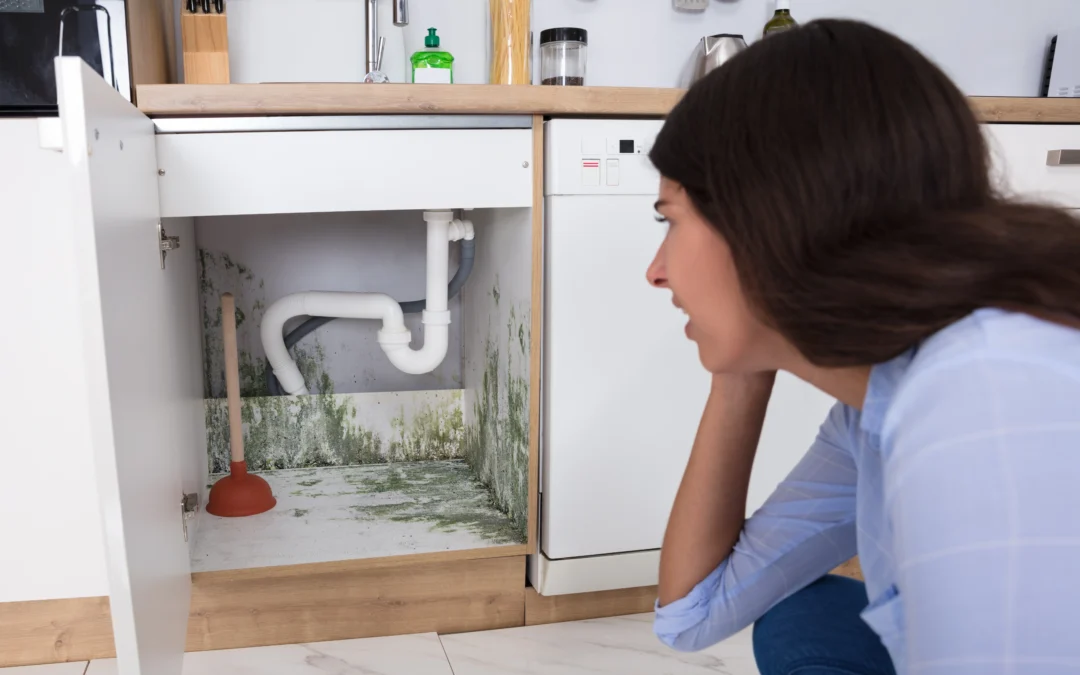
If your home smells like sewage, it usually means sewer gas is escaping through your plumbing system due to dry drain traps, clogged pipes, damaged vents, or hidden leaks. The smell comes from gases like methane and hydrogen sulfide, which should stay inside sewer lines but escape when plumbing parts fail. Fixing the source quickly stops the odor, protects your health, and prevents costly damage. This problem is common in homes across Minneapolis, MN, especially during seasonal weather changes.
Common Causes of Sewage Smells in Homes
A sewage smell never appears without a reason. It often starts small and slowly becomes stronger. One common cause is a dry drain trap. Every sink, shower, and floor drain has a curved pipe that holds water to block sewer gas. When that water dries out, gas flows freely into the home.
Another cause is clogged or slow drains. Grease, soap, and debris build up and trap waste, creating strong odors that rise back into the house. Cracked pipes, loose fittings, or damaged seals also allow gas to escape. These problems are often hidden behind walls or under floors, making them hard to detect without experience.
How Plumbing Systems Create Odors?
Your plumbing system is designed to move waste safely out of your home while blocking smells. When one part fails, odors appear. Drain line cleaning and repair of pipes carry wastewater away, while plumbing vents release gas through the roof. If a vent becomes blocked by debris or ice, pressure builds and pushes gas back through drains.
Homes in Minneapolis, MN often face vent issues during winter when ice buildup blocks airflow. Sewer gas smells are not just unpleasant. They can cause headaches, dizziness, and nausea if ignored for long periods.
Drain, Vent, and Sewer Line Problems
Sewage smells are often connected to problems inside drains and vents. Kitchen sink plumbing may trap food waste and grease. Bathroom plumbing may hold hair, soap, and residue. Over time, this buildup rots and releases strong odors.
Plumbing vents can crack, disconnect, or clog. When vents fail, sewer gas has nowhere to escape except inside the house. In some homes, septic plumbing issues cause sewage smells when tanks fill or drain fields fail.
Older Homes and Sewage Odors
Older homes are more likely to develop sewage smells because their plumbing materials wear down. Cast iron pipes corrode inside, creating rough surfaces where waste sticks and smells form. Old pipe joints may loosen, allowing gas leaks.
Many older homes in Minneapolis, MN also have outdated vent designs that do not meet modern standards, increasing odor problems.
When a Sewage Smell Becomes an Emergency?
Some sewage smells signal serious problems that need immediate help. A strong odor combined with slow drains or backups often means a sewer line issue. This situation requires an emergency plumber to prevent overflow or contamination.
Sewage smells near floor drains or basements may indicate a sewer backup or broken pipe under the home. In these cases, emergency plumbing services are needed to protect your property and health.
DIY Checks vs Professional Help
Homeowners can check a few things safely, but most sewage smell problems require a plumber. You can pour water into unused drains to refill dry traps. You can also check visible drain connections for loose fittings.
However, deeper problems like vent blockages, cracked pipes, or sewer line damage require plumbing repair experience and proper tools. Trying to fix these problems without training often makes the smell worse and increases repair costs.
Cost Impact of Ignoring Sewage Smells
Ignoring sewage smells almost always leads to higher costs. A small vent blockage may turn into pipe corrosion. A minor leak repair service may cause mold or structural damage. Sewer gas exposure may require professional cleanup.
Plumbing repairs cost far less when handled early through routine plumbing inspection and plumbing maintenance.
How Professionals Fix Sewage Odor Issues
A licensed plumber uses proven methods to locate and fix sewage smells.
| Problem Source | Professional Solution | Result |
| Dry drain traps | Refill and seal traps | Odor stops immediately |
| Clogged drains | Deep drain cleaning | Removes odor source |
| Vent blockages | Vent clearing or repair | Restores airflow |
| Pipe leaks | Plumbing repair | Seals gas escape |
| Sewer line issues | Full plumbing service | Long-term fix |
Professionals use plumbing camera inspections when needed to locate hidden problems without damaging walls or floors.
Why Hiring the Right Help Matters?
Sewage smells are not just a comfort issue. They are a safety issue. A trained plumbing contractor understands how sewer systems work and how to fix them permanently. Licensed plumber services ensure repairs meet safety standards and local codes.
For homeowners searching for a plumber near me or plumbing services near me, choosing experienced residential plumbing experts makes all the difference.
Conclusion
Why Your Home Smells Like Sewage (And How to Fix It) comes down to understanding that sewer gas escapes when plumbing systems fail. Dry traps, clogged drains, blocked vents, and damaged pipes are the most common causes. Acting early protects your home, your health, and your budget.
Homeowners in Minneapolis, MN should never ignore sewage smells. Early plumbing repair and regular inspections prevent emergencies and costly damage.
If your home smells like sewage, do not wait for the problem to get worse. Contact Do It Right Plumbing today for expert plumbing inspection, reliable plumbing service, and fast emergency plumbing solutions. Fixing the issue now saves money and keeps your home safe and odor-free.
FAQs
Why does my house smell like sewage but no drain is clogged?
Blocked plumbing vents or dry drain traps can release sewer gas even when drains appear clear.
Is sewer gas dangerous?
Yes. Long-term exposure can cause headaches, nausea, and breathing discomfort.
Can I fix sewage smells myself?
You can refill dry traps, but deeper plumbing repairs require a professional plumber.
Do sewage smells mean I need emergency plumbing?
Strong or sudden odors with slow drains or backups usually require emergency plumbing service.
How often should plumbing systems be inspected?
A yearly plumbing inspection helps prevent sewage smells and major repairs.