
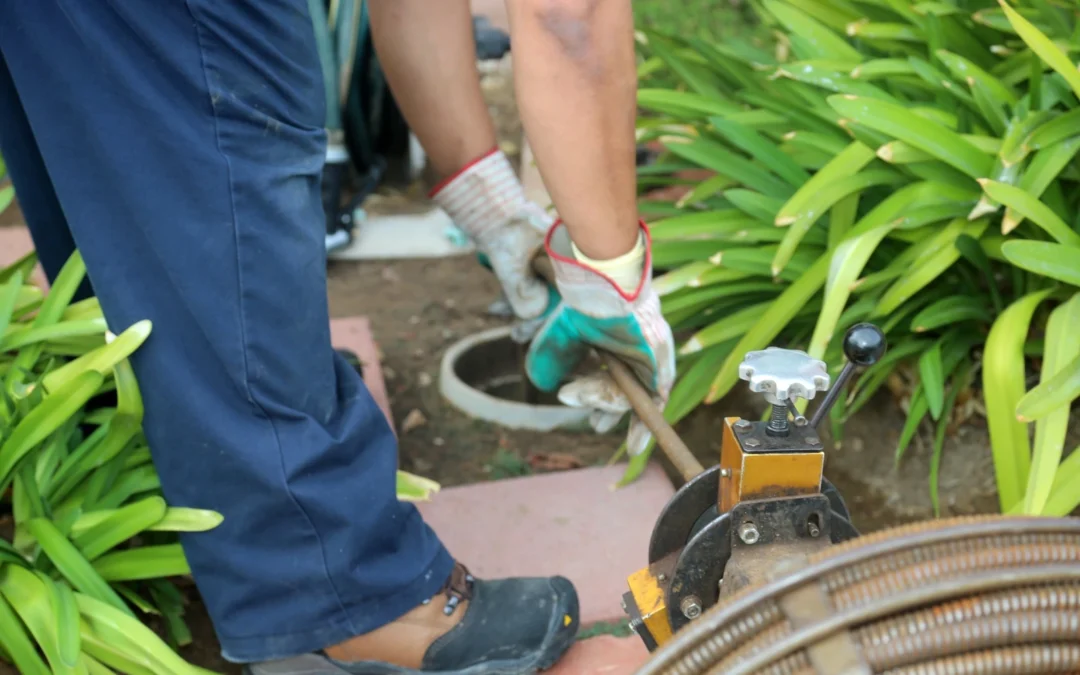
If you’re wondering how to handle sewer backups without panic, the key is to stay calm and take immediate steps to limit damage. Sewer backups occur when wastewater flows back into your home due to clogged pipes, broken sewer lines, or blocked plumbing vents. The safest approach is to avoid contact with sewage, remove valuables from affected areas, and manage the situation step by step to prevent further damage.
Table of Contents
How to Handle Sewer Backups Quickly
Cost Impact of Ignoring Sewer Backups
Tools and Methods Professionals Use
Preventing Future Sewer Backups
What is a Sewer Backup?
A sewer backup occurs when wastewater flows back into your home instead of going out to the main sewer line. This can affect sinks, toilets, showers, or basements. In Minneapolis, MN, sewer backups can cause water damage, foul odors, and mold growth if not addressed quickly. Knowing how to handle sewer backups is essential to protect your home and your family’s health.
Why Sewer Backups Happen?
Sewer backups happen when something blocks or damages your plumbing system. Understanding these causes helps you respond calmly instead of panicking. Common reasons include:
- Clogged Pipes: Hair, grease, or debris can block drain pipes, causing water to flow backward.
- Damaged Sewer Lines: Cracks, corrosion, or tree roots can rupture pipes and stop water from draining.
- Faulty Plumbing Vents: Blocked vents can create pressure that forces sewage into your home.
Sewer repairs in Minneapolis,MN can happen in older and newer homes. Homes with cast iron, PVC, or PEX pipes may experience backups differently, but early detection is key.
Common Causes in Homes
Here are the most frequent issues that lead to a sewer backup:
| Cause | How it Happens | Risk Level |
|---|---|---|
| Hair, grease, or debris | Block pipes over time | Medium |
| Tree roots | Penetrate sewer lines underground | High |
|
Broken or old pipes |
Cracks or corrosion | High |
| Heavy rain or flooding | Overwhelms the municipal sewer system | Medium |
| Faulty plumbing vent | Pressure pushes sewage back |
Medium |
Understanding the source helps you know how to handle sewer backups safely without making mistakes that can cost thousands.
How to Handle Sewer Backups Quickly?
When a backup happens, acting fast prevents water damage, mold, and structural issues. Follow these steps:
- Turn Off Water Supply: Shut off your main valve to stop additional sewage from entering the house.
- Avoid Contact: Sewage contains harmful bacteria. Avoid touching water and keep pets and children away.
- Call a Professional: An emergency plumber in Minneapolis, MN can assess the situation and provide plumbing repair.
- Document Damage: Take photos for insurance claims before cleanup begins.
Handle sewer backups calmly to prevent costly errors and health hazards.
DIY vs Professional Help
Some minor blockages, like small clogs in a sink, can be fixed with a plunger or drain snake. However, most sewer backups require professional help.
DIY Checks:
- Check for visible clogs in accessible drains.
- Ensure clean-out plugs are not blocked.
- Refill dry traps to prevent sewer gas.
Professional Plumbing Services:
- Use plumbing cameras to inspect hidden pipes.
- Clear blockages with hydrojet plumbing or mechanical augers.
- Repair damaged pipes, vents, or valves.
- Perform full plumbing maintenance to prevent future backups.
Trying complex fixes without experience often worsens the problem and increases the risk of a mistake that can cost thousands.
Cost Impact of Ignoring Sewer Backups
Ignoring a sewer backup can be expensive. Early intervention keeps costs low:
|
Problem |
Potential Cost | Consequences |
| Minor clog | $200–$500 | Slow water flow, odors |
| Pipe rupture | $1,500–$6,000 | Flooding, mold, structural damage |
| Sewer line failure | $2,000–$10,000+ | Emergency plumbing, extensive repairs |
| Backup cleanup | $500–$3,000 |
Professional sanitation required |
Early response and hiring licensed plumber services near me ensure problems are resolved without escalating costs.
Tools and Methods Professionals Use
Plumbers use advanced tools to handle sewer backups efficiently:
- Plumbing camera inspection: Detects hidden clogs or damage.
- Hydrojetting: Cleans pipes with high-pressure water.
- Pipe replacement: Fixes broken or corroded lines permanently.
- Drain cleaning tools: Snakes, augers, and specialized plumbing equipment.
Professional plumbing companies near me in Minneapolis, MN use these tools to restore water flow safely and prevent a mistake that can cost thousands.
Preventing Future Sewer Backups
Prevention is better than emergency repair. Homeowners can reduce risk by:
- Scheduling yearly plumbing sewer camera inspection.
- Avoid flushing grease, wipes, or non-degradable materials.
- Maintaining clean-out access points.
- Ensuring plumbing vents are clear.
- Using residential plumbing services for routine maintenance.
Regular maintenance helps prevent backups and ensures your home remains safe and odor-free.
Conclusion
To handle sewer backups effectively, stay calm, turn off water, and contact a professional plumber in Minneapolis, MN. Sewer backups are not just inconvenient, they can damage your home and pose health risks. Acting early with the right plumbing services prevents long-term problems and expensive repairs.
If you’re dealing with a sewer backup or want to prevent one, contact us today. Our licensed plumbers near me provide fast emergency plumbing, expert plumbing repair, and routine plumbing maintenance to keep your home safe. Don’t wait; early action saves money and protects your home.
FAQs
Why does a sewer backup happen?
Blockages, broken pipes, tree roots, or vent failures can cause sewage to flow back into your home.
Can I handle a sewer backup myself?
Minor clogs can be addressed safely, but most backups require professional plumbing repair to prevent hazards.
Is a sewer backup an emergency?
Yes, especially if water is flooding or smells are strong. Call an emergency plumber immediately.
How much does fixing a sewer backup cost?
Costs vary from $200 for minor clogs to $10,000+ for major pipe or sewer line repairs.
How can I prevent sewer backups?
Schedule regular plumbing maintenance, avoid flushing non-degradable items, and ensure pipes and vents are clear.