
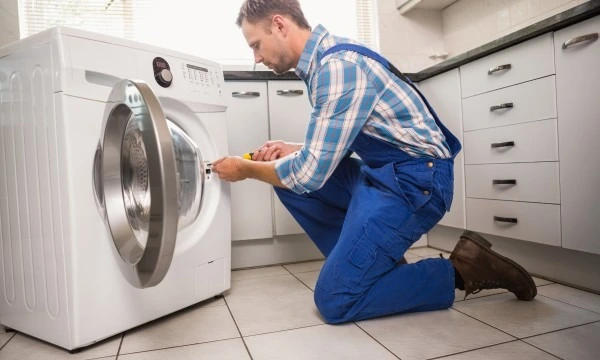
Laundry fixtures are essential components of every household, ensuring smooth operation and efficiency in your laundry room. From washing machines and utility sinks to faucets and dryers, proper installation is crucial to maintaining functionality, preventing leaks, and ensuring safety. Professional laundry fixture installation in Minnesota guarantees that each appliance and fixture works seamlessly, providing peace of mind for homeowners and avoiding costly repairs in the future.
Many homeowners underestimate the importance of certified installation services. While DIY installation may seem convenient, it often leads to problems like water leaks, misaligned fixtures, poor drainage, or damage to the plumbing system. A properly installed laundry fixture ensures water flows efficiently, appliances remain durable, and your laundry space is safe and functional.
Why Proper Laundry Fixture Installation Matters?
Installing laundry fixtures is more than just connecting water lines or placing appliances. Each component must be aligned accurately, securely connected, and tested for performance. Improper installation can lead to several issues:
- Leaks and Water Damage: A poorly installed fixture can cause water to seep under cabinets, damaging floors and walls.
- Appliance Malfunction: Washing machines or utility sinks that are misaligned or improperly connected may fail prematurely or perform inefficiently.
- Health and Safety Risks: Leaks and improper drainage can lead to mold growth, creating health hazards in your home.
- Higher Costs: Incorrect installation often results in repeated repairs, increasing maintenance costs over time.
By hiring professional laundry fixture installation services, homeowners ensure that all appliances and fixtures are installed correctly, comply with local plumbing codes, and function efficiently from day one.
Steps Involved in Laundry Fixture Installation
Professional installation involves several detailed steps to guarantee long-term performance and safety. While some homeowners attempt DIY methods, even minor mistakes can create problems that affect your entire plumbing system. The typical steps include:
- Site Assessment: The installer evaluates your laundry space, checking plumbing lines, water pressure, and drainage options to plan the installation.
- Fixture Preparation: All laundry fixtures, faucets, hoses, and connections are checked for defects or missing components before installation begins.
- Plumbing Connections: Certified plumbers connect water supply lines, drainage pipes, and ensure tight, leak-free connections.
- Appliance Alignment: Washing machines and utility sinks must be level and securely positioned to prevent vibration, uneven drainage, or accidental tipping.
- Testing: Each fixture is tested for leaks, water pressure, and proper drainage. Appliances are also run through a trial cycle to ensure functionality.
- Final Adjustments: The installer ensures faucets, hoses, and drainage systems work correctly, providing advice on maintenance for longevity.
These steps ensure that your laundry fixtures are installed efficiently, safely, and comply with all relevant plumbing regulations.
Common Mistakes in DIY Laundry Fixture Installation
Homeowners sometimes attempt to install laundry fixtures themselves to save money, but this often results in avoidable mistakes:
- Using improper connectors or hoses that may leak over time.
- Failing to level washing machines, causing vibration and noise during cycles.
- Incorrect drainage slope, leading to slow drainage or backups.
- Ignoring water shut-off requirements increases the risk of flooding.
- Not testing appliances properly after installation, leaving hidden issues unresolved.
Benefits of Hiring Professionals
Engaging certified plumbers offers numerous advantages beyond avoiding common DIY errors:
Safety First
Plumbing experts follow strict safety protocols, preventing leaks, flooding, or electrical hazards associated with washer hookups.
Time Efficiency
Professionals complete installations quickly, saving homeowners hours or even days of trial-and-error setup.
Longevity of Appliances
Correctly installed fixtures reduce wear and tear on appliances, increasing their lifespan and performance.
Compliance with Local Codes
Certified installers ensure your laundry room complies with local building and plumbing regulations, avoiding potential fines or insurance issues.
Peace of Mind
Professional installation comes with service guarantees, giving homeowners confidence that their laundry fixtures are safe and reliable.
How to Choose the Right Laundry Fixture Installation Service?
Selecting the right service provider is critical for ensuring long-term satisfaction. Consider the following:
- Experience: Look for companies with proven experience in residential.
- Licensing and Certification: Ensure technicians are licensed and certified, guaranteeing compliance with safety standards.
- Reputation: Read reviews and ask for references to verify the quality of service.
- Warranty and Guarantees: Reputable installers provide warranties for both labor and materials.
- Range of Services: Choose a provider that handles multiple laundry appliances and fixtures, including washing machines, utility sinks, faucets, and dryers.
A trusted professional ensures a seamless installation process and avoids potential future repairs.
Maintenance Tips After Installation
Once your laundry fixtures are installed, proper maintenance is essential to preserve their efficiency:
- Regular Cleaning: Clean faucets, hoses, and sink surfaces to prevent the build-up of soap, detergent, or lint.
- Check Connections: Periodically inspect hoses, drains, and water lines for leaks or loosened fittings.
- Avoid Overloading Appliances: Overloading washing machines or sinks can stress plumbing connections.
- Use Appropriate Cleaning Products: Avoid harsh chemicals that can corrode pipes or fixtures.
- Schedule Professional Inspections: Annual plumbing inspections can detect issues early and prevent costly repairs.
Following these maintenance steps ensures your laundry area remains safe, functional, and efficient for years to come.
Signs You Need Laundry Fixture Repairs
Even with professional installation, occasional repairs may be required. Signs include:
- Water leaks or drips under the sink or washer.
- Slow drainage or water pooling around the appliance.
- Unusual noises or vibrations from the washing machine.
- Rust, corrosion, or damaged hoses and connections.
- Foul odors are coming from the drainage pipes.
Prompt attention from professional plumbers prevents minor issues from becoming expensive emergencies.
Advantages of Regular Plumbing Inspections
Routine plumbing inspections in your laundry area offer several benefits:
- Early detection of leaks or faulty connections.
- Prevention of water damage to floors, walls, and cabinets.
- Ensuring water pressure and drainage systems remain optimal.
- Extending the lifespan of washing machines and other fixtures.
- Compliance with local building codes.
Conclusion
Proper laundry fixture installation is essential for every home, ensuring safety, efficiency, and long-lasting performance. DIY attempts often lead to leaks, appliance damage, and increased costs. Hiring certified professionals guarantees that washing machines, utility sinks, faucets, and drainage systems are installed correctly, tested for safety, and compliant with local codes.
Protect your home and appliances by investing in a professional today. Contact us today to schedule expert installation services and enjoy a safe, efficient, and fully functional laundry space.
FAQs
- How long does laundry fixture installation take?
Usually 2–4 hours, depending on the number of fixtures and plumbing complexity. - Can I install laundry fixtures myself?
DIY is possible but risky; professional installation is safer and prevents leaks. - Do I need to shut off the main water supply?
Yes, always turn off the water before installation to avoid flooding. - How often should laundry fixtures be inspected?
Once or twice a year by a professional plumber to ensure safety and efficiency. - Can improper installation damage appliances?
Yes, incorrect connections or drainage can shorten appliance lifespan.