
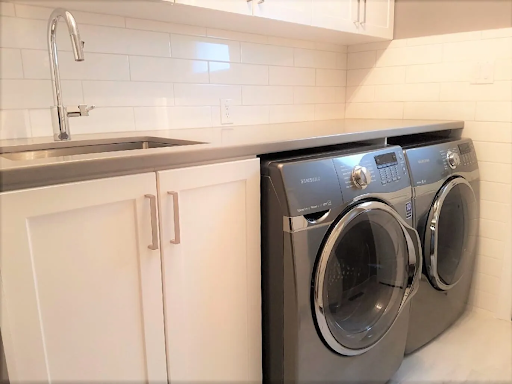
Installing laundry fixtures in your home can seem straightforward, but there are several mistakes that many homeowners make. A proper common laundry fixture installation ensures that your washer, dryer, and utility sinks work efficiently, prevent leaks, and last for years. Especially in Minnesota, where the winters are cold and basements can be damp, proper installation is essential to prevent costly damage or mold growth.
In this guide, we’ll walk you through the most common mistakes people make during laundry fixture installation and how to avoid them. By following these tips, you can save time, money, and frustration while ensuring your laundry area functions perfectly.
Understanding Common Laundry Fixture Installation
When we talk about laundry fixture installation services in Minnesota, we mean the complete setup of your laundry appliances, including:
- Washer and dryer hookups
- Utility sink plumbing
- Drainage and vent connections
- Water supply lines
Many homeowners underestimate the importance of proper installation. Improper setups can cause leaks, inefficient drainage, appliance malfunctions, and even void warranties. That’s why it’s important to understand each step of the installation process and common mistakes to avoid.
The Most Common Mistakes During Laundry Fixture Installation
Ignoring Manufacturer Instructions
One of the simplest mistakes is skipping the manufacturer’s instructions. Each appliance comes with specific installation requirements, including water pressure recommendations, pipe sizes, and venting needs. Not following these instructions can lead to poor performance, leaks, or damage to your appliances. Always read the manual and follow it closely to prevent problems down the line.
Incorrect Plumbing Connections
Improper plumbing installation services in Minnesota is one of the leading causes of laundry room problems. Using the wrong pipe size, incorrect fittings, or connecting hoses incorrectly can cause leaks or poor drainage. Fluctuating water pressure in some areas makes it even more important to use proper connections. Always verify pipe size, fittings, and water supply lines before starting your installation.
Skipping Shut-off Valves
Every laundry fixture should have a nearby shut-off valve. Homeowners often skip installing valves for convenience, but this can make future maintenance or emergency repairs very difficult. Accessible valves allow you to quickly stop water flow in case of leaks or when replacing appliances.
Poor Drainage Setup
A major mistake many homeowners make is neglecting a proper drainage slope. Drain pipes that are too flat can result in standing water, slow drainage, and even backups into your basement. Proper slope and alignment are essential to prevent these issues. Even a slight tilt in the pipe can cause water to accumulate and create problems over time.
Over-tightening Connections
Many DIY installers assume that the tighter the connections, the better. In reality, over-tightening can crack fittings, damage the fixture, or create leaks. It’s better to secure connections according to the manufacturer’s recommendations and use hand-tightening for sensitive areas.
Neglecting Ventilation
Dryers, utility sinks, and laundry rooms in general require proper ventilation. Inadequate airflow can lead to mold, mildew, and moisture damage. Homes often have basements that are prone to high humidity, making proper ventilation even more important. A vented dryer and open airflow around sinks will prevent moisture buildup and extend the life of your appliances.
Ignoring Electrical Safety
Many laundry appliances require dedicated circuits or specific amperage. Failing to ensure proper electrical connections can lead to short circuits, tripped breakers, or even fire hazards. Always check local codes and consult a licensed electrician if you’re unsure about the electrical requirements.
Using Low-Quality Materials
While it may seem like a money-saver, using low-quality hoses, pipes, or fittings can lead to leaks and appliance failure. Investing in quality materials ensures durability and reliability, cold climate, where freezing can strain pipes.
Skipping Leveling of Appliances
Appliances that are not level can vibrate excessively, cause noise, and reduce efficiency. Using a simple level and adjusting the appliance feet can make a huge difference in performance and longevity.
Forgetting Regular Maintenance
Even properly installed fixtures need routine checks. Inspect hoses, connections, and drains every 6–12 months to catch small issues before they become expensive problems. Regular maintenance is the key to a long-lasting laundry area.
Step-by-Step Approach to Successful Laundry Fixture Installation
A professional approach to common laundry fixture installation requires planning, the right tools, and careful execution. Here’s a clear step-by-step guide:
- Plan the Layout: Ensure enough space for your washer, dryer, and utility sink. Consider storage needs and movement around the room.
- Check Plumbing Connections: Verify the water supply lines, drain pipes, and fittings are correct. This is critical to avoid leaks.
- Install Shut-off Valves: Always place valves in accessible locations for quick emergency access.
- Connect Appliances Carefully: Follow manufacturer instructions exactly and ensure secure connections without over-tightening.
- Test for Leaks: Run water through all connections and check for leaks before finishing the installation.
- Ventilation Setup: Ensure dryer vents and sink plumbing have proper airflow to prevent moisture buildup.
- Electrical Connections: Confirm circuits are appropriate for appliances and properly grounded.
- Level Appliances: Make sure washers and dryers are balanced to prevent vibration and wear.
- Final Inspection: Double-check all connections, fittings, and venting before using your laundry fixtures.
- Establish Maintenance Schedule: Regularly inspect hoses, drains, and fittings to maintain efficiency and prevent damage.
Minnesota-Specific Tips for Laundry Fixture Installation
Minnesota’s climate presents unique challenges for laundry rooms:
- Prevent Frozen Pipes: Protect your home this winter by insulating water lines in basements and laundry areas with expert pipe freezing services in Minnesota.
- Control Moisture: Use a dehumidifier in the basement and laundry rooms to reduce humidity and prevent mold.
- Check Water Pressure: Fluctuating pressure can damage appliances; installing a pressure regulator helps.
- Winter Vent Care: Ensure dryer vents are free from snow or ice to maintain proper airflow.
Tools and Materials for a Smooth Installation
For a successful installation, gather these tools and materials in advance:
- Adjustable wrench and pliers
- Teflon tape for secure pipe joints
- Pipe cutter for accurate sizing
- Level to ensure appliances are even
- Screwdrivers for fittings and vent installation
- High-quality hoses, pipes, and fittings
- Vent kit for dryers
Having these ready will save time and reduce the chances of errors.
Common Problems and How to Fix Them?
Even after careful installation, problems can occur. Here are the most common issues and solutions:
| Problem | Cause | Solution | Prevention | Notes |
| Leaks at connections | Incorrect fittings | Replace with the proper size and material | Follow manufacturer instructions | Check connections monthly |
| Slow drainage | Poor pipe slope | Adjust the slope for proper flow | Verify slope during installation | Level pipes carefully |
| Mold and mildew | Poor ventilation | Improve airflow with vents | Keep vents and dryers clear | Inspect monthly |
| Appliance vibration | Uneven appliances | Adjust feet and level | Use a level and vibration pads | Reduces noise and wear |
| Electrical trips | Overloaded circuit | Install a dedicated circuit | Verify appliance electrical needs | Use a licensed electrician |
Tips for Homeowners
- Always read installation instructions fully.
- Avoid rushing the installation; mistakes often happen when homeowners try to complete too quickly.
- Double-check plumbing, electrical, and venting requirements.
- Use high-quality materials and tools.
- Consider professional help for complex plumbing installations to ensure safety and efficiency.
Conclusion
Common laundry fixture installation is key to preventing leaks, appliance damage, and costly repairs. By avoiding mistakes such as ignoring manufacturer instructions, poor plumbing connections, insufficient ventilation, and skipping shut-off valves, homeowners can enjoy a safe and efficient laundry area. Following a step-by-step installation approach, using quality materials, and performing regular maintenance will ensure your laundry area in Minnesota lasts for years.
For homeowners looking to install laundry fixtures safely and efficiently, consulting a professional plumbing installation expert can save time, prevent damage, and protect your appliances. Contact us today for proper installation to ensure long-term performance and peace of mind.
FAQs
Q1: Can I install laundry fixtures myself?
Yes, but careful planning and following instructions are critical. For complex plumbing setups, hiring a professional is recommended.
Q2: How often should I inspect laundry connections?
Inspect hoses, drains, and fittings every 6–12 months.
Q3: What is the most common installation mistake?
Incorrect plumbing connections and poor drainage setup are the most frequent.
Q4: How can I prevent mold in my laundry area?
Ensure proper ventilation, use dehumidifiers in basements, and check vents regularly.
Q5: Can improper installation void appliance warranties?
Yes, following manufacturer instructions is crucial to maintain warranties.