
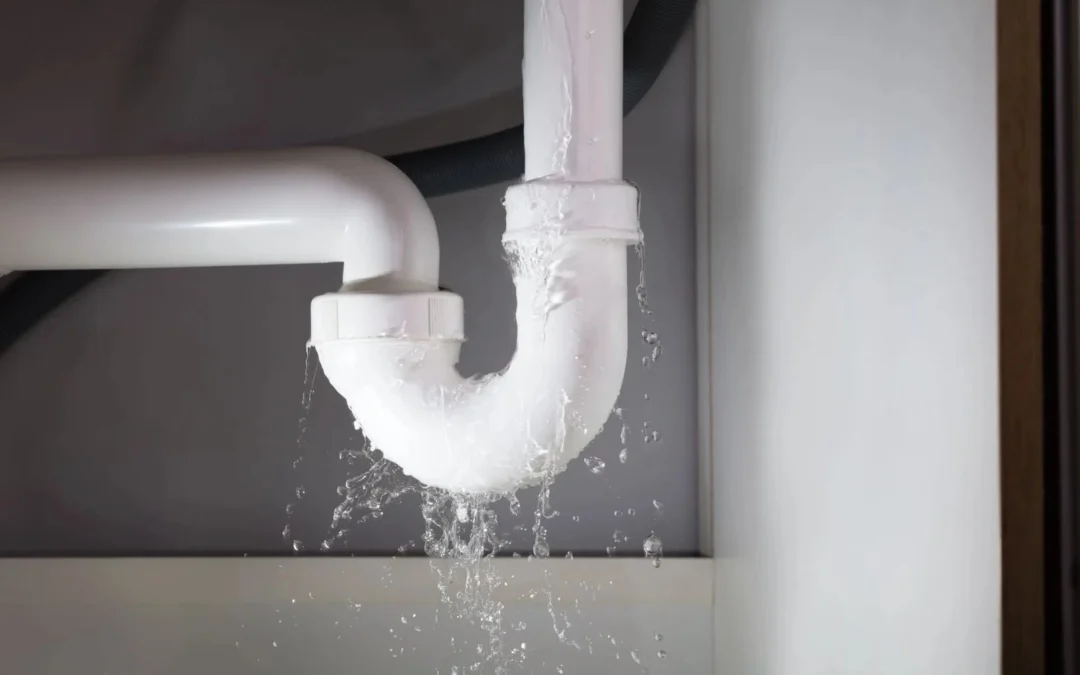
The best way to prevent costly damage during a plumbing crisis is to follow Emergency Plumbing Tips that help you act fast and safely. Plumbing emergencies like burst pipes, major leaks, or overflowing toilets can cause serious damage within minutes. Knowing what to do right away can protect your home, reduce repair costs, and keep your family safe.
Table of Contents
- What Is a Plumbing Emergency?
- Why Quick Action Matters?
- Emergency Plumbing Tips to Prevent Costly Damage
- Common Plumbing Emergencies at Home
- What to Do Before the Plumber Arrives?
- Emergency vs Non-Emergency Plumbing Issues
- How Regular Care Prevents Emergencies?
- Conclusion
- FAQs
What Is a Plumbing Emergency?
A plumbing emergency is any situation where water damage, health risks, or loss of essential services can happen quickly. These problems usually cannot wait and need immediate attention.
Examples include:
- Burst or leaking pipes
- Overflowing toilets
- Sudden loss of water
- Water flooding inside the home
Homes in Apple Valley, MN can face plumbing emergencies due to cold weather, pipe aging, and sudden pressure changes.
Why Quick Action Matters?
Water can spread fast and damage floors, walls, furniture, and electrical systems. Even a small delay can lead to mold growth and costly repairs.
Quick action helps you:
- Stop water damage early
- Protect your home structure
- Reduce repair bills
- Avoid health risks
This is why learning Emergency Plumbing Tips is so important for every homeowner.
Emergency Plumbing Tips to Prevent Costly Damage
Below are the most important steps you should follow during a plumbing emergency.
1. Shut Off the Main Water Supply
The first and most important step is to turn off the main water valve. This stops water flow and prevents further damage.
Every homeowner should know where this valve is located.
2. Turn Off the Water Heater
If there is a major leak, turn off your water heater to prevent pressure buildup or damage. This is especially important for hot water emergencies.
3. Stop Small Leaks Quickly
Use towels, buckets, or plumber’s tape to control small leaks temporarily. This is not a permanent fix, but it helps limit damage until help arrives.
4. Avoid Using Drains and Fixtures
Do not flush toilets or run water if there is a backup or blockage. This can make the problem worse and cause flooding.
5. Open Drains to Release Pressure
In some cases, opening the lowest drain in the house can help release trapped water and pressure from the pipes.
6. Clean Water Only If It Is Safe
Only clean water spills if the water is clean and safe. Never touch sewage water, as it can be dangerous.
7. Call a Professional Immediately
Following Emergency Plumbing Tips can reduce damage, but professional help is always needed to fix the root problem.
Common Plumbing Emergencies at Home
Here are the most common emergency situations homeowners face:
- Burst pipe emergency
- Water leak emergency
- Overflowing toilet
- Clogged drains
- No hot water emergency
Each of these problems requires fast action to prevent damage.
What to Do Before the Plumber Arrives?
While waiting for help, you can take simple steps to stay safe:
- Keep children and pets away from flooded areas
- Move valuables away from water
- Turn off electricity near water if safe
- Ventilate the area
These actions support Emergency Plumbing Tips in Apple Valley ,MN and help protect your home.
Emergency vs Non-Emergency Plumbing Issues
| Issue Type | Emergency | Can Wait |
| Burst pipe | Yes | No |
| Major leak | Yes | No |
| Overflowing toilet | Yes | No |
| Slow drain | No | Yes |
| Dripping faucet | No | Yes |
Understanding the difference helps you react correctly.
How Regular Care Prevents Emergencies?
Many plumbing emergencies can be avoided with basic care:
- Do not pour grease into drains
- Fix small leaks early
- Insulate pipes in cold weather
- Schedule inspections
Homes in Apple Valley, MN especially benefit from regular checks due to seasonal temperature changes.
When to Call a Professional Plumber
You should call a plumber immediately if:
- Water is flooding your home
- Pipes are leaking or burst
- Toilets are overflowing
- You cannot stop the water
Following Emergency Plumbing Tips helps, but professional repair is always necessary.
Conclusion
Plumbing emergencies can happen at any time, but knowing how to respond makes a big difference. Acting fast, shutting off water, and calling a professional can prevent serious damage. Learning and following Emergency Plumbing Tips helps protect your home, saves money, and gives peace of mind.
If you are facing a plumbing emergency, do not wait. Contact a trusted plumber today to stop damage and restore safety to your home.
FAQs
1. What is the first thing to do during a plumbing emergency?
Shut off the main water supply immediately.
2. Can small leaks cause big damage?
Yes, even small leaks can lead to mold and structural damage.
3. Is it safe to use chemical drain cleaners?
They can damage pipes and are not recommended during emergencies.
4. How fast can water damage occur?
Water damage can start within minutes.
5. Should I attempt repairs myself?
Temporary steps are fine, but permanent repairs should be done by professionals.