
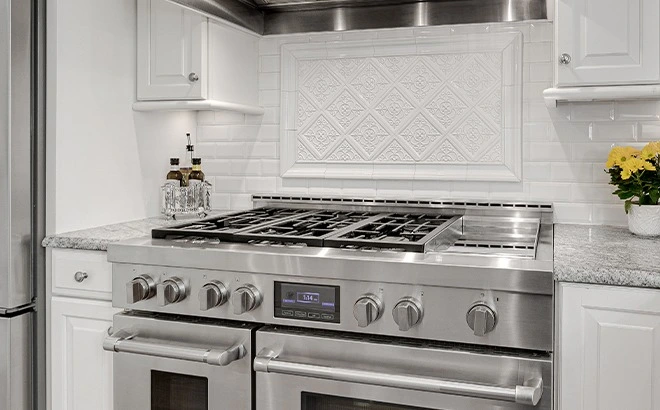
A properly installed gas stove not only elevates the look of your kitchen but also ensures safety, efficiency, and convenience. Gas stoves are popular for their precise temperature control, energy efficiency, and ability to cook food evenly. However, an incorrect installation can lead to serious hazards such as gas leaks, fire risks, and poor appliance performance. That’s why professional gas stove installation services are crucial for every home or commercial kitchen.
In Minneapolis, MN, homeowners often overlook the importance of certified installation. From residential kitchens to commercial setups, safe and reliable gas stove installation guarantees peace of mind and long-term performance.
Why Proper Gas Stove Installation Matters?
A gas stove is not just an appliance; it’s a system that needs precise alignment, correct gas flow, and safe connections. Improper installation can cause a variety of issues:
- Gas Leaks: Even small leaks can be hazardous, leading to fire risks or health problems.
- Inefficient Cooking: Incorrect installation affects flame control and temperature regulation.
- Short Appliance Lifespan: Misalignment or improper connections may damage components prematurely.
- Safety Hazards: Risk of fire, carbon monoxide buildup, or accidental damage increases significantly.
Professional gas stove installation services handle all aspects of installation, from assessing the kitchen plumbing installation setup and gas line placement to testing the stove for leaks and functionality. They ensure that your stove works safely and efficiently from day one.
Steps Involved in Gas Stove Installation
Installing a gas stove involves several technical steps that ensure both safety and functionality. While homeowners may be tempted to DIY, even minor mistakes can lead to dangerous consequences.
- Site Inspection: Professionals evaluate your kitchen layout, gas line proximity, and ventilation to plan the installation.
- Gas Line Connection: Certified plumbers connect the stove to the gas supply, ensuring no leaks and proper pressure.
- Appliance Placement: Stoves must be perfectly level and correctly aligned to prevent uneven cooking and accidental tipping.
- Leak Testing: Using approved tools, plumbers check for leaks at every joint and connection.
- Final Adjustments: Burners, ignition systems, and controls are tested to guarantee smooth operation.
This systematic approach guarantees your stove is installed in compliance with local building codes and safety regulations.
Signs You Need Professional Installation
Some homeowners attempt to install a gas stove themselves, assuming it’s simple. However, several indicators suggest professional help is necessary:
- You notice hissing sounds from gas lines after the initial setup.
- The burners do not ignite properly, or the flame size is inconsistent.
- There is a strange odor of gas during or after installation.
- The stove wobbles or feels unbalanced on the countertop.
- You are unfamiliar with local codes for gas appliance installation.
Ignoring these signs can lead to accidents, increased repair costs, and even voided warranties. Certified technicians ensure that the installation is safe, precise, and long-lasting.
Benefits of Hiring Gas Stove Installation Experts
Hiring professional gas stove installation services offers multiple advantages over DIY installation:
- Safety First: Certified installers prevent leaks, fire hazards, and carbon monoxide risks.
- Time Efficiency: Installation is completed quickly without guesswork or trial-and-error.
- Warranty Protection: Many stove manufacturers require professional installation for warranty validity.
- Optimal Performance: Properly installed stoves cook evenly and efficiently.
- Peace of Mind: Professionals guarantee work and provide advice on maintenance.
Investing in expert installation today saves you money, stress, and potential emergencies tomorrow.
Maintenance Tips After Installation
Once your gas stove is installed, regular care ensures it remains safe and efficient:
- Clean Burners Weekly: Remove food particles and grease to prevent clogs.
- Check Gas Connections Periodically: Look for hissing sounds or odors.
- Avoid Harsh Chemicals: Use stove-safe cleaners to prevent damage to burners and controls.
- Inspect Ignition System: Replace faulty igniters promptly to maintain a consistent flame.
- Hire Professionals for Annual Checkups: Annual inspections prevent leaks and extend appliance life.
Following these tips, along with professional installation, guarantees your gas stove operates safely for years.
Common Installation Mistakes to Avoid
Even experienced DIYers often make mistakes that compromise safety or efficiency:
- Improperly leveling the stove causes uneven cooking or tipping risks.
- Using incorrect gas line connections, which may lead to leaks.
- Failing to test for gas leaks after installation.
- Overlooking manufacturer guidelines for burner spacing and ventilation.
- Ignoring local building codes or permit requirements.
Certified gas stove installation services eliminate these errors, ensuring your stove meets all safety and operational standards.
Conclusion
A properly installed gas stove ensures safety, efficiency, and reliability in your kitchen. Whether upgrading your old appliance or setting up a new kitchen, hiring professional gas stove installation services guarantees the job is done right the first time. Don’t risk leaks, fire hazards, or appliance damage. Trust certified technicians for a safe, fast, and reliable installation.
Contact us today to schedule your installation and enjoy a worry-free, fully functional gas stove in your home.
FAQs
How long does gas stove installation take?
Usually 1–3 hours, depending on stove type and kitchen setup.
Can I install a gas stove myself?
DIY is risky; professional installation is safer and keeps the warranty valid.
Do I need to shut off the main gas line?
Yes, always turn off the main gas supply before installation.
How much does professional installation cost?
Costs usually range from $150–$500 depending on complexity.
Is professional installation required for the warranty?
Yes, certified installation is needed to maintain the manufacturer’s warranty.