
A well-maintained kitchen drain keeps your home safe, clean, and free from plumbing problems. Following simple tips to maintain your kitchen drain can prevent clogs, leaks, and costly repairs. Homeowners in Minneapolis, MN often face challenges like slow drains or bad odors, but timely care ensures smooth water flow, protects pipes, and keeps everyday kitchen use stress-free. Implementing these tips helps you avoid plumbing repair and ensures your kitchen functions efficiently.
Understanding Kitchen Drain Maintenance
Kitchen drain maintenance is the practice of keeping the pipes, traps, and drains in your kitchen clean, clear, and free from blockages. A drain may appear fine on the surface, but food particles, grease, and soap scum often build up inside the pipes. Over time, this can lead to slow drainage, foul odors, or even pipe damage.
Proper maintenance does not just fix current problems—it prevents future plumbing repair needs. Homeowners in Minneapolis, MN can benefit significantly from routine maintenance because local water conditions and colder winters can put extra stress on pipes.
Why Proper Drain Care Is Important?
Many people overlook their kitchen drains until a clog or leak occurs. Here’s why regular drain care is crucial:
- Prevent Clogs: Food waste, grease, and soap buildup are common causes of slow or blocked drains.
- Avoid Costly Repairs: Ignoring minor problems can lead to expensive plumbing repairs later.
- Protect Appliances: Sinks, dishwashers, and garbage disposals work better with clear drains.
- Ensure Safe Water Flow: Proper drainage prevents standing water that can breed bacteria or cause leaks.
In Minneapolis, MN, proper kitchen drain maintenance also helps prevent issues related to frozen or aging pipes during colder months.
Top Tips to Maintain Your Kitchen Drain
1. Regular Cleaning
Cleaning your kitchen drain regularly removes debris before it builds up. Remove any visible food particles from your sink and trap. Flush the drain with hot water once or twice a week to dissolve small clogs naturally.
2. Avoid Grease and Food Waste
Grease is one of the biggest culprits of clogged drains. Never pour cooking oil, fat, or greasy leftovers down the sink. Instead, pour grease into a container and dispose of it in the trash. Similarly, avoid washing fibrous or starchy foods like potato peels or coffee grounds directly down the drain.
3. Using Strainers and Screens
Install strainers or screens over your sink drain to catch food particles and debris. Empty the strainer daily to keep water flowing freely and prevent buildup inside the pipes.
4. Flushing with Hot Water
Regularly flushing your drain with hot water helps dissolve grease, soap scum, and minor blockages. Run hot water for a few minutes after each large meal cleanup to prevent buildup.
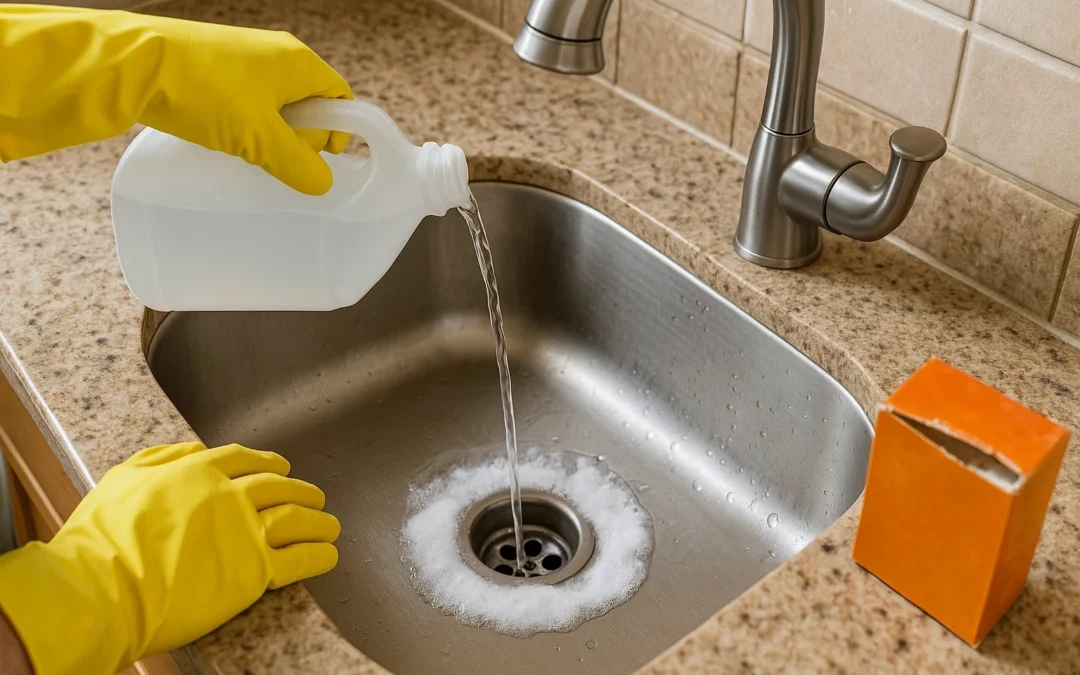
5. Vinegar and Baking Soda Treatments
A simple, natural solution to maintain your drain is using vinegar and baking soda:
- Pour ½ cup baking soda into the drain.
- Follow with ½ cup white vinegar.
- Let it sit for 10–15 minutes.
- Flush with hot water.
This treatment helps clean the pipe walls, neutralize odors, and prevent minor clogs without harsh chemicals.
6. Inspecting Pipes Regularly
Periodically check under the sink for leaks, corrosion, or unusual odors. Tighten loose connections and replace worn-out washers or gaskets. Identifying issues early can save you from major plumbing repair costs.
7. Scheduling Professional Maintenance
Even with proper DIY care, it’s wise to schedule a professional plumbing inspection at least once a year. Licensed plumbers can check for hidden problems, clean pipes thoroughly, and recommend preventive solutions. In Minneapolis, MN, local professionals understand regional plumbing conditions and can prevent cold-weather related issues.
Common Kitchen Drain Problems
Here are the most common problems homeowners face with kitchen drains:
- Clogged Drains: Caused by grease, food waste, and soap buildup.
- Slow Draining Water: Often a result of partial blockages or pipe misalignment.
- Foul Odors: Due to trapped food particles or bacterial growth in pipes.
- Leaks: Can occur from loose connections, corrosion, or aging pipes.
- Backflow Issues: Improperly vented drains can cause wastewater to rise back into the sink.
Preventing these problems requires consistent maintenance and awareness.
How a Well-Maintained Drain Improves Daily Life?
A clean, functional kitchen drain provides:
- Faster cleanup: No slow drains or backups during cooking.
- Hygienic environment: Less standing water and reduced odor.
- Longer-lasting appliances: Dishwashers and garbage disposals perform better.
- Peace of mind: Less worry about emergency plumbing issues.
DIY vs Professional Drain Maintenance
| Maintenance Type | Pros | Cons |
| DIY | Affordable, simple tips can help prevent minor clogs | Limited tools, cannot detect hidden issues |
| Professional Maintenance | Thorough inspection, prevents serious plumbing problems | Higher cost, needs scheduling |
For homeowners in Minneapolis, MN, a combination of regular DIY maintenance and professional checks is the most effective approach.
Kitchen Drain Maintenance Cost Factors
Cost varies depending on:
- Frequency of Maintenance: Regular care reduces emergency costs.
- Pipe Condition: Older or damaged pipes may need replacement.
- Type of Service: Cleaning, chemical treatment, or professional inspection.
- Location: Local labor rates in Minneapolis, MN can influence pricing.
Maintenance Schedule and Checklist Table
| Task | Frequency |
| Clear visible debris | Daily |
| Flush with hot water | Weekly |
| Vinegar & baking soda | Monthly |
| Inspect pipes & connections | Quarterly |
| Professional inspection | Annually |
Preparing Your Kitchen for Drain Care
- Clear items under the sink for easy access.
- Keep cleaning supplies and tools nearby.
- Identify your main water shut-off valve.
- Avoid chemical cleaners that can damage pipes.
Proper preparation ensures safer and more efficient maintenance.
Long-Term Benefits of Proper Drain Maintenance
- Reduced risk of clogs, leaks, and foul odors.
- Increased lifespan of plumbing pipes and appliances.
- Lower costs for emergency plumbing repair.
- Consistently safe and clean kitchen environment.
Conclusion
Maintain your kitchen drain is essential for every homeowner in Minneapolis, MN. Following simple tips like regular cleaning, avoiding grease, using strainers, flushing with hot water, and scheduling professional inspections ensures smooth water flow, reduces plumbing repair needs, and keeps your kitchen safe and functional. Investing a little time now saves money, stress, and major repairs later.
Don’t wait until your kitchen drain causes problems! Contact a licensed plumber in Minneapolis, MN today for a professional inspection or maintenance service. Regular care keeps your drains clear, appliances safe, and your home worry-free.
FAQs
How often should I clean my kitchen drain?
Weekly flushing with hot water and monthly natural treatments are recommended.
Can I use chemical cleaners for my kitchen drain?
Occasional use is fine, but frequent use can damage pipes. Natural methods are safer.
Do I need a professional for drain maintenance?
Yes, an annual professional check ensures hidden issues are caught early.
What causes bad smells in the kitchen drain?
Trapped food particles, grease, and bacterial growth inside pipes.
Can regular maintenance prevent plumbing repairs?
Absolutely. Consistent care reduces clogs, leaks, and costly emergency plumbing issues.