
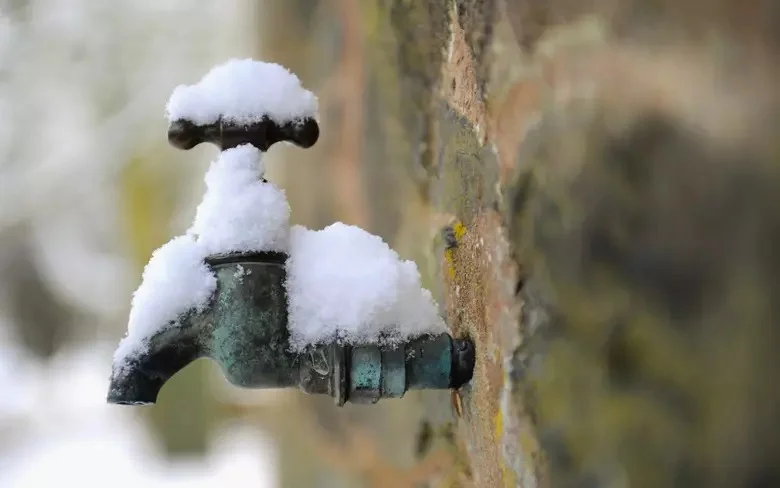
Winter in Minnesota can be harsh, and frozen pipes are a common problem for homeowners. Frozen pipes can cause water flow issues, leaks, and even burst pipes, leading to costly repairs. Using pipe freezing prevention tips helps protect your home, save money, and ensure your plumbing works efficiently throughout the cold season.
Why Pipe Freezing Prevention is Important?
Frozen pipes are more than an inconvenience; they can damage your home. Water expands as it freezes, which can crack pipes and damage walls, floors, and appliances. Even small leak detection services in Minnesota caused by freezing pipes can lead to mold growth, structural damage, and expensive plumbing repairs. Following pipe freezing prevention tips ensures your home remains safe and your plumbing system functions properly all winter.
Top 10 Pipe Freezing Prevention Tips
Minnesota winters can be freezing, and frozen pipes are a common problem that can lead to leaks, bursts, and expensive plumbing repairs. Using pipe freezing services in Minnesota can save you from these headaches, protect your home, and keep your plumbing working efficiently. Here’s a detailed guide to the top 10 tips every homeowner should follow:
1. Insulate Exposed Pipes
Pipes in basements, attics, garages, and crawl spaces are most vulnerable to freezing. Cold air can quickly lower the temperature inside these pipes, causing water to freeze and expand.
Tips:
- Use foam pipe insulation sleeves, heat tape, or fiberglass insulation to cover exposed pipes.
- Pay special attention to pipes near exterior walls or windows.
- Ensure joints and bends are fully covered, as these are weak points where freezing often starts.
Proper insulation not only prevents frozen pipes but also reduces energy bills by keeping your water heater services in Minnesota longer.
2. Keep the Home Warm
Maintaining a consistent indoor temperature is one of the simplest ways to prevent freezing.
Tips:
- Keep your home at least 55°F even when you’re away.
- Open cabinet doors under sinks to allow warm air to circulate around plumbing pipes.
- For multi-level homes, slightly open interior doors to let heat reach all areas.
A steady warm temperature ensures water keeps moving in the pipes, reducing the risk of ice formation.
3. Drip Faucets
Allowing faucets to drip slightly during extremely cold days can prevent frozen pipes.
Tips:
- Even a small trickle of water keeps water flowing, reducing pressure buildup inside the pipe.
- Focus on faucets connected to pipes most prone to freezing, like those on exterior walls.
This tip is simple, cost-free, and highly effective during severe winter spells.
4. Seal Drafts
Cold drafts entering your home can freeze exposed pipes quickly.
Tips:
- Inspect windows, doors, vents, and any openings near plumbing for gaps.
- Use weatherstripping, caulk, or foam to seal cracks.
- Pay attention to areas around water meters, laundry rooms, and crawl spaces.
Sealing drafts not only protects pipes but also improves energy efficiency, saving money on heating bills.
5. Disconnect and Drain Outdoor Hoses
Outdoor faucets and irrigation systems are highly prone to freezing.
Tips:
- Remove all garden hoses and drain any remaining water.
- Shut off outdoor water valves to prevent freezing in pipes connected to sprinklers.
- Consider installing frost-proof hose bibs for long-term protection.
This simple precaution prevents costly outdoor plumbing damage every winter.
6. Install Pipe Heating Cables
For pipes in unheated areas or older homes, heating cables provide extra protection.
Tips:
- Attach electric heat cables or tapes to pipes most at risk.
- Use thermostatically controlled cables to maintain optimal temperatures automatically.
- Ensure cables are installed according to manufacturer instructions to prevent fire hazards.
Heating cables are especially useful in Minnesota, where temperatures can drop far below freezing.
7. Keep Garage Doors Closed
If you have plumbing in the garage, keeping doors closed retains heat around your pipes.
Tips:
- Consider adding temporary insulation to garage walls or doors for extra protection.
- If pipes run along exterior walls, add pipe insulation or blankets to reduce exposure to cold air.
A warm garage environment significantly reduces the chance of frozen pipes.
8. Monitor Water Pressure
Fluctuating water pressure can indicate freezing forming inside your pipes.
Tips:
- Low or irregular water flow may signal ice buildup.
- Inspect and act early if you notice any changes in pressure.
- Take preventive action, like dripping faucets or adding insulation, immediately.
Early detection helps avoid full pipe freezes or bursts, saving you from costly repairs.
9. Upgrade Old Pipes
Older metal pipes are more prone to freezing and bursting than modern materials.
Tips:
- Replace old galvanized steel or copper pipes with PEX or PVC pipes, which resist expansion and cracking.
- Focus on pipes in basements, crawl spaces, and areas near exterior walls.
Upgrading ensures long-term protection and reduces the need for emergency winter plumbing repairs.
10. Schedule Professional Winter Maintenance
A licensed plumber can inspect your entire plumbing system before winter, ensuring everything is protected.
Tips:
- Professionals can add insulation, install valves, or set up pipe heating systems.
- A winter check-up can identify weak spots and prevent frozen pipe emergencies.
- Follow their advice for ongoing maintenance to keep pipes safe all season.
Professional winter maintenance is a small investment that prevents major damage and costly repairs.
How Pipe Freezing Prevention Works
|
Tip |
Prevention Step |
Why It Matters? | Recommended Tools | Frequency |
| 1 | Insulate exposed pipes | Prevent freezing in cold areas | Foam sleeves, heat tape | Annually / before winter |
| 2 | Maintain home warmth | Keeps pipes from freezing | Thermostat | All winter |
| 3 | Drip faucets | Reduces pressure buildup | None | During extreme cold |
| 4 | Seal drafts | Blocks cold air near pipes | Caulk, weatherstripping | Annually |
| 5 | Disconnect hoses | Prevent outdoor pipe freeze | None | Every fall |
| 6 | Install heating cables | Extra protection for cold pipes | Electric cables | Before winter |
| 7 | Keep garage doors closed | Maintain warmth in the garage | None | All winter |
| 8 | Monitor water pressure | Early detection of freezing | Pressure gauge | Weekly |
| 9 | Upgrade old pipes | Reduce risk of bursts | PEX or PVC pipes | As needed |
| 10 | Professional maintenance | Expert inspection & installation | Plumbing tools | Once a year |
Additional Tips for Minnesota Homeowners
- Consider smart thermostats to maintain minimum temperatures automatically.
- Keep a bucket or small heater near vulnerable areas for emergencies.
- Label water shut-off valves for quick access if a pipe bursts.
Conclusion
Using these pipe freezing prevention tips protects your home from frozen pipes, leaks, and costly repairs during Minnesota winters. Simple steps like insulation, dripping faucets, sealing drafts, and scheduling professional checks ensure your plumbing system stays safe, functional, and reliable.
Don’t wait for a pipe to burst in the middle of winter. Contact us today and enjoy peace of mind.
FAQs
- How do I know if a pipe is about to freeze?
If water flow slows, faucets drip, or pipes feel extremely cold, freezing may be starting. - Can I use a hair dryer to unfreeze pipes?
Yes, carefully using a hair dryer on exposed pipes works, but never use open flames. - Should I leave the heat on when away during winter?
Yes, keep your home at least 55°F to prevent pipes from freezing. - Are pipe insulation sleeves necessary for all pipes?
They’re most important for pipes in unheated areas like basements, attics, or garages. - When should I call a professional plumber?
If pipes are frozen inside walls, leaks appear, or you want preventive winter insulation.