
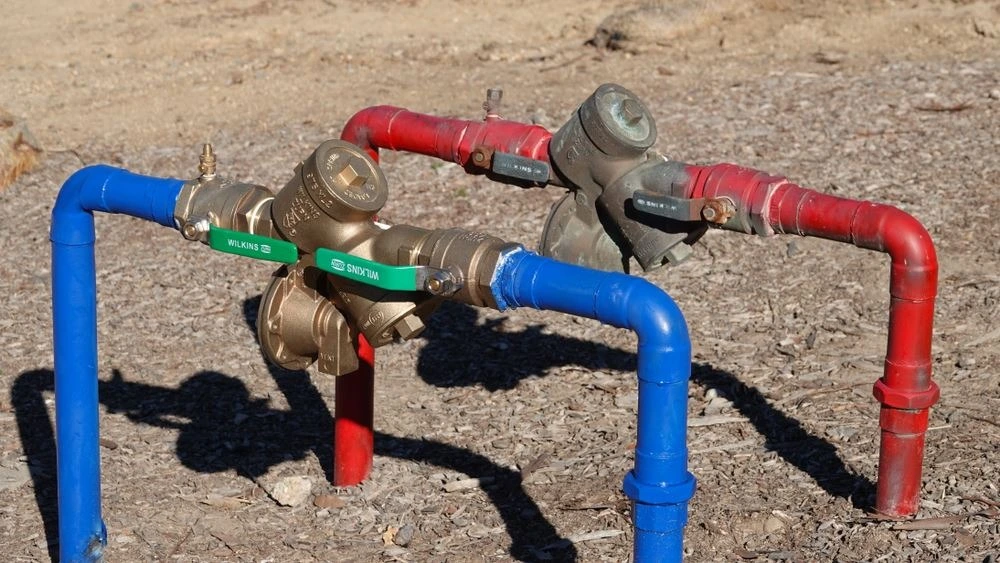
Backflow can be a serious hidden threat in any plumbing system. Contaminated water flowing backward can introduce harmful bacteria, chemicals, or debris into your clean water supply, putting your family’s health at risk. That’s why Backflow Device Installation is crucial for every home and business in 2026. Installing a backflow device prevents contamination, protects your property from plumbing damage, and ensures your water supply remains safe and reliable.
Professional installation guarantees the device works properly, meets local codes, and gives you peace of mind. Investing in a backflow device today safeguards your home, avoids costly repairs, and keeps your water clean for years to come.
What is a Backflow Device?
A backflow device is a plumbing mechanism designed to prevent water from flowing in the wrong direction. Normally, water flows from the municipal supply into your home. However, when backflow occurs, contaminants like chemicals, bacteria, and debris can enter your clean water system. Installing a backflow device ensures safe, clean, and uncontaminated water throughout your property.
Why Professional Backflow Device Installation is Important?
Many homeowners try DIY plumbing fixes, but it is a specialized job. Improper installation can lead to leaks, system failure, or even fines from local authorities. Professional plumbers ensure:
- Correct placement of the device
- Compliance with local plumbing codes
- Proper testing to prevent future backflow
This guarantees long-term protection and peace of mind.
Top 10 Reasons to Install a Backflow Device in 2026
1. Protect Your Family’s Health
Backflow can allow bacteria, chemicals, and sewage to flow backward into your home’s clean water supply. Using contaminated water can cause gastrointestinal illnesses, infections, or other serious health issues. Proper Backflow Device Installation services in Minnesota create a barrier, keeping your family safe from hidden water hazards.
2. Ensure Safe Drinking Water
Even if tap water looks clear, harmful substances like pesticides, cleaning chemicals, or pathogens can enter your pipes during backflow. A backflow device guarantees that the water you drink, cook with, or use for hygiene remains clean and uncontaminated.
3. Prevent Property Damage
Backflow doesn’t just affect water quality; it can damage your plumbing, appliances, and irrigation systems. Improper water flow can cause leaks, corrosion, and even flooding in some cases.
Key benefits include:
- Protects pipes and appliances from corrosion
- Reduces risk of leaks and water damage
- Saves money on emergency plumbing repairs
4. Comply with Local Plumbing Codes
Many cities, including those in Minnesota, legally require backflow prevention devices in homes and businesses. Installing one keeps your property compliant with local regulations, avoiding fines or legal issues. Professional installers ensure the device meets all code requirements, preventing future compliance problems.
5. Protect Businesses from Liability
Restaurants, hospitals, schools, and commercial properties must ensure safe water for staff, customers, and patients. Contaminated water can lead to health code violations, lawsuits, or reputation damage.
Important points:
- Prevents contamination of the commercial water supply
- Helps avoid legal penalties or fines
- Protects employees and customers from illness
6. Reduce Maintenance Costs
Backflow allows debris, chemicals, or waste to enter pipes, causing clogs, corrosion, and equipment wear. Installing a device minimizes these risks, resulting in fewer repairs, less downtime, and lower maintenance bills over time.
7. Support Environmental Safety
Backflow isn’t just a household problem—it can affect the entire community water supply. Contaminants from one property can flow back into the main system, harming neighbors and the environment. Professional Backflow Device Installation protects public water sources and reduces pollution risk.
8. Prevent Cross-Contamination
Properties with irrigation systems, pools, or chemical tanks are especially vulnerable to cross-contamination. Backflow devices ensure clean water stays separate from potentially harmful liquids, protecting both household and garden water systems.
9. Increase Property Value
A home or business with a professionally installed backflow device demonstrates safety awareness and adherence to plumbing standards. This can enhance property value, attract buyers, and show that the property has been well-maintained.
10. Peace of Mind
Ultimately, installing a backflow device gives homeowners and business owners confidence. You can trust that your water is safe for drinking, cooking, and daily use, and that your plumbing system is protected against unexpected backflow incidents.
How Backflow Device Installation Works?
Proper installation is crucial for long-term performance. Here’s what happens during professional installation:
- Inspection: Plumbers evaluate your water system to determine the ideal location.
- Device Selection: Different backflow preventers exist for residential or commercial setups.
- Installation: The device is connected to the main water line following the code guidelines.
- Testing: Plumbers check for leaks and test pressure to ensure proper operation.
- Maintenance Tips: Professionals provide advice for periodic inspections to keep the system working efficiently.
Signs You Need a Backflow Device
Not all homes have backflow devices, but certain signs indicate you should install one:
- Water pressure fluctuates unexpectedly
- Foul taste or odor in tap water
- Nearby sprinkler or irrigation system connected to your plumbing
- You store chemicals or fertilizers near water lines
Choosing a Professional Plumber for Backflow Device Installation
When hiring for installation, look for:
- Certification in backflow prevention
- Experience in both residential and commercial installations
- Positive reviews from past customers
- Clear explanation of maintenance and warranty
Hiring a certified professional ensures the device is installed correctly and will function properly for years.
Maintenance Tips After Installation
Even after installation, maintenance is key:
- Annual Inspection: Local codes may require yearly testing.
- Check for Leaks: Examine visible connections periodically.
- Clean Surroundings: Keep the area around the device free from debris.
- Replace When Needed: Over time, parts may wear out and require replacement.
Conclusion
Investing in Backflow Device Installation in 2026 ensures clean, safe water, protects your property, and keeps you compliant with local plumbing codes. Whether for a home or a commercial building, professional installation is the best way to prevent contamination, reduce repair costs, and enjoy peace of mind.
Don’t wait until backflow causes damage or health risks. Contact us today to schedule professional device installation in Minnesota and keep your water safe for years to come.
FAQs
- What is a backflow device?
A backflow device is a safety tool that prevents contaminated water from flowing backward into clean water pipes, keeping your water supply safe. - How often should it be inspected?
It should be inspected at least once a year by a professional to ensure it works properly and prevents any backflow issues. - Can I install it myself?
DIY installation is risky and not recommended; professional Backflow Device Installation ensures safety and compliance with local codes. - How much does installation cost?
Installation usually costs between $150–$600, depending on property size, device type, and complexity of the plumbing setup. - Is it required by law?
Yes, many cities, especially for commercial buildings, irrigation systems, or large residential properties, legally require a backflow device.