
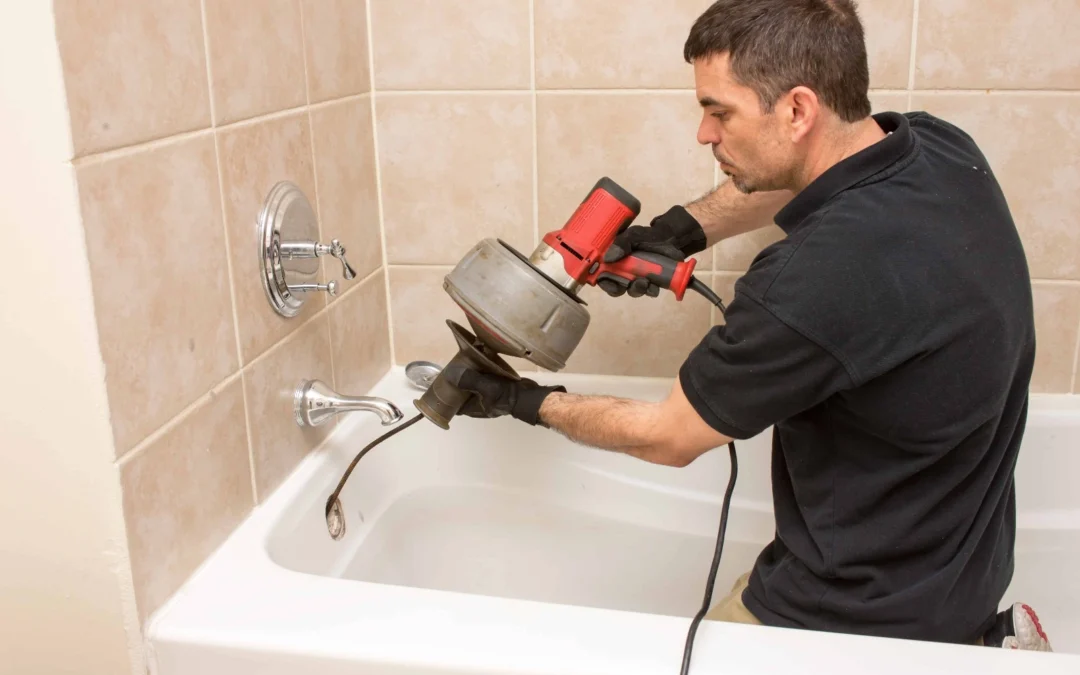
If your drains are slow, clogged, or backing up, these are clear warning signs that you may need Drain Line Cleaning or Repair. Drain lines play a very important role in moving wastewater safely out of your home. When something goes wrong, the problem usually shows signs early. Understanding these signs can help you act fast, avoid costly damage, and keep your plumbing system working properly.
Table of Contents
- What Is a Drain Line and Why Does It Matters?
- Why Drain Line Problems Should Never Be Ignored?
- Top Signs You Need Drain Line Cleaning or Repair
- Common Causes of Drain Line Problems
- Drain Line Cleaning vs Drain Line Repair
- How Professionals Diagnose Drain Line Issues?
- Why Do DIY Fixes Often Fail?
- How Regular Maintenance Helps?
- When to Call a Professional Plumber?
- Conclusion
- FAQs
What Is a Drain Line and Why Does It Matters?
A drain line is the pipe that carries dirty water from sinks, toilets, showers, and appliances out of your home and into the main sewer system. Every time you wash dishes, take a shower, or flush the toilet, water flows through this system.
When drain lines are clean and in good condition, everything works smoothly. But when they get clogged, damaged, or broken, wastewater has nowhere to go. This can lead to backups, leaks, bad smells, and even damage to your home.
Why Drain Line Problems Should Never Be Ignored?
Many homeowners ignore early drain problems because they seem small. A slow drain or a small clog may not feel urgent, but these issues often grow worse over time.
Ignoring drain line problems can cause:
- Water damage to floors and walls
- Mold growth
- Bad odors throughout the house
- Costly repairs later
- Health risks from wastewater exposure
Fixing the issue early is always safer and more affordable than waiting.
Top Signs You Need Drain Line Cleaning or Repair
Below are the most common signs that tell you something is wrong with your drain line.
1. Slow Drains Throughout the House
If one sink drains slowly, the issue may be local. But if multiple drains are slow at the same time, this usually points to a deeper problem in the main drain line.
Slow drains are often caused by grease, soap buildup, hair, or debris stuck inside the pipe. Over time, this buildup reduces water flow and leads to bigger blockages.
2. Frequent and Repeating Clogs
If you keep clearing clogs but they return again and again, this is a strong sign of a larger issue. Repeating clogs usually mean that the blockage is deep in the drain line, not near the fixture.
In these cases, simple plunging is not enough, and professional Drain Line Cleaning may be required to fully remove the blockage.
3. Bad Smells Coming from Drains
Unpleasant odors coming from your drains are another warning sign. These smells often come from trapped waste, grease, or sewage sitting inside the pipes.
If cleaning the drain does not remove the smell, the issue may be further down the line and needs professional attention.
4. Gurgling Sounds in Pipes
Do you hear bubbling or gurgling noises when water goes down the drain? This happens when air gets trapped due to a blockage.
These sounds mean water is struggling to move through the pipe, which often points to a drain line issue that should not be ignored.
5. Water Backing Up into Sinks or Tubs
One of the clearest signs of drain line trouble is water backing up into sinks, bathtubs, or showers. This usually happens when wastewater cannot flow out and starts coming back inside.
This situation requires immediate Drain Line Cleaning or Repair to prevent damage and health risks.
6. Wet Spots or Sinkholes in the Yard
If you notice wet areas, soft ground, or small sinkholes in your yard, this may mean your underground drain line is leaking or broken.
This problem is common in older homes or areas with tree roots growing into pipes. Homes in Minneapolis MN often face this issue due to soil movement and seasonal changes.
7. Old or Damaged Pipes
Older homes often have clay or metal pipes that can crack, corrode, or collapse over time. Even small cracks can allow roots to enter the pipe and cause serious blockages.
In such cases, Drain Line Cleaning or Repair becomes necessary to restore proper function.
Common Causes of Drain Line Problems
Drain line issues do not happen overnight. Some common causes include:
- Grease and food waste buildup
- Hair and soap residue
- Tree root intrusion
- Broken or cracked pipes
- Flushing non-flushable items
- Soil shifting or pipe aging
Understanding these causes helps homeowners avoid future problems.
Drain Line Cleaning vs Drain Line Repair
Here is a simple table to help you understand the difference:
| Service | Purpose | When It Is Needed |
| Drain Line Cleaning | Removes clogs and buildup | Slow drains, minor blockages |
| Drain Line Repair | Fixes broken or damaged pipes | Leaks, collapses, root damage |
Professionals may use methods like Drain Cleaning Services, Rooter Drain Cleaning, or Sewer Camera Inspection to find and fix the issue accurately.
How Professionals Diagnose Drain Line Issues?
Professional plumbers use advanced tools to identify problems without guesswork. One common method is a camera inspection, where a small camera is sent through the pipe to locate blockages or damage.
This method helps determine whether cleaning is enough or if repair is needed.
Why Do DIY Fixes Often Fail?
Many homeowners try chemical cleaners or home tools to fix drain issues. While these may offer temporary relief, they rarely solve deep drain line problems.
DIY methods can:
- Damage pipes
- Push clogs further down
- Hide serious problems
- Waste time and money
Professional solutions are safer and more effective.
How Regular Maintenance Helps?
Regular drain maintenance helps prevent major problems. Simple habits like avoiding grease in sinks, using drain covers, and scheduling inspections can make a big difference.
Homes in Minneapolis MN benefit greatly from routine maintenance due to seasonal temperature changes that affect underground pipes.
When to Call a Professional Plumber?
You should call a professional if:
- Multiple drains are slow
- Water backs up
- Bad smells persist
- You hear gurgling sounds
- DIY fixes do not work
Timely Drain Line Cleaning or Repair can save you from expensive repairs later.
Conclusion
Drain line problems are common but should never be ignored. Slow drains, bad smells, repeated clogs, and water backups are all signs that your plumbing system needs attention. Acting early helps protect your home, saves money, and keeps your family safe. Understanding these signs allows you to make smart decisions and get professional help when needed.
If you are experiencing any of the signs mentioned above, do not wait for the problem to get worse. Contact a trusted plumbing professional today to inspect your drain line and restore proper flow. Early action leads to long-term peace of mind.
FAQs
1. How often should drain lines be cleaned?
Most homes benefit from professional cleaning every 1–2 years, depending on usage.
2. Can tree roots damage drain lines?
Yes, tree roots are a common cause of cracked and blocked drain lines.
3. Is drain line repair expensive?
Costs vary, but early repair is always cheaper than fixing major damage later.
4. Are chemical drain cleaners safe?
Frequent use can damage pipes and is not recommended for major clogs.
5. How long does professional drain cleaning take?
Most jobs are completed within a few hours, depending on the issue.